
10 New Home Move-In Tasks Most People Miss (before decorating)
The top 10 things to do before you move into your new home that you probably didn’t think of. Stop shopping for furniture and do these FIRST!
Moving into a new home is one of those life moments that brings equal parts excitement and overwhelm. The boxes arrive, the movers start unloading, and before you know it your living room looks like a warehouse exploded.
If you’re anything like me, your first instinct is to set up the pretty things, arrange furniture, hang curtains, and start decorating so the house feels like home.
But here’s the truth I’ve learned from moving several times and working in home improvement for over 25 years: The prettiest decorating won’t matter, if the behind-the-scenes basics aren’t handled first.
It’s the small, unglamorous tasks the ones most people forget that set your home up for success in the long run. So before you hang that first piece of art or buy a single throw pillow, here are the 10 new-home move-in tasks most people miss… but shouldn’t.
This post is sponsored by Lowe’s Home Improvement. All content and opinions are my own 🙂
BTW: I’m moving into a new house in 2026, so this list is one I’m following too!
Contains hand selected products, with affiliate marketing links where I may earn a small commission if a purchase is made. {full disclosure here}
1. Change Your Locks and Access Points
This is your day-one task. Not tomorrow. Not after the movers leave. Today. You never truly know who still has a key to your home: past owners, realtors, contractors, neighbors, maybe even the dog walker. It’s not just the front door. You need to update every access point:
- Front, back, and side doors
- Garage keypad
- Alarm panel codes
- Smart lock codes
- Gate keypads
If you want to upgrade and create a stylish smart home you can run from your phone, this is the perfect moment. Finally, you can buy a better looking electronic deadbolt. I’m loving that Yale now makes a smart deadbolt in white – no more clunky black box on the interior.
I’m obsessed with the Halifax LED Lever, which gives you subtle guided lighting at night. No more fumbling for keys in the dark, and it instantly freshens up your entry.
Make sure to update any smart outdoor cameras too or make sure the former owner has released them. You’ll need to reprogram. If you want to replace, it’s easier to swap out with the same brand or system:
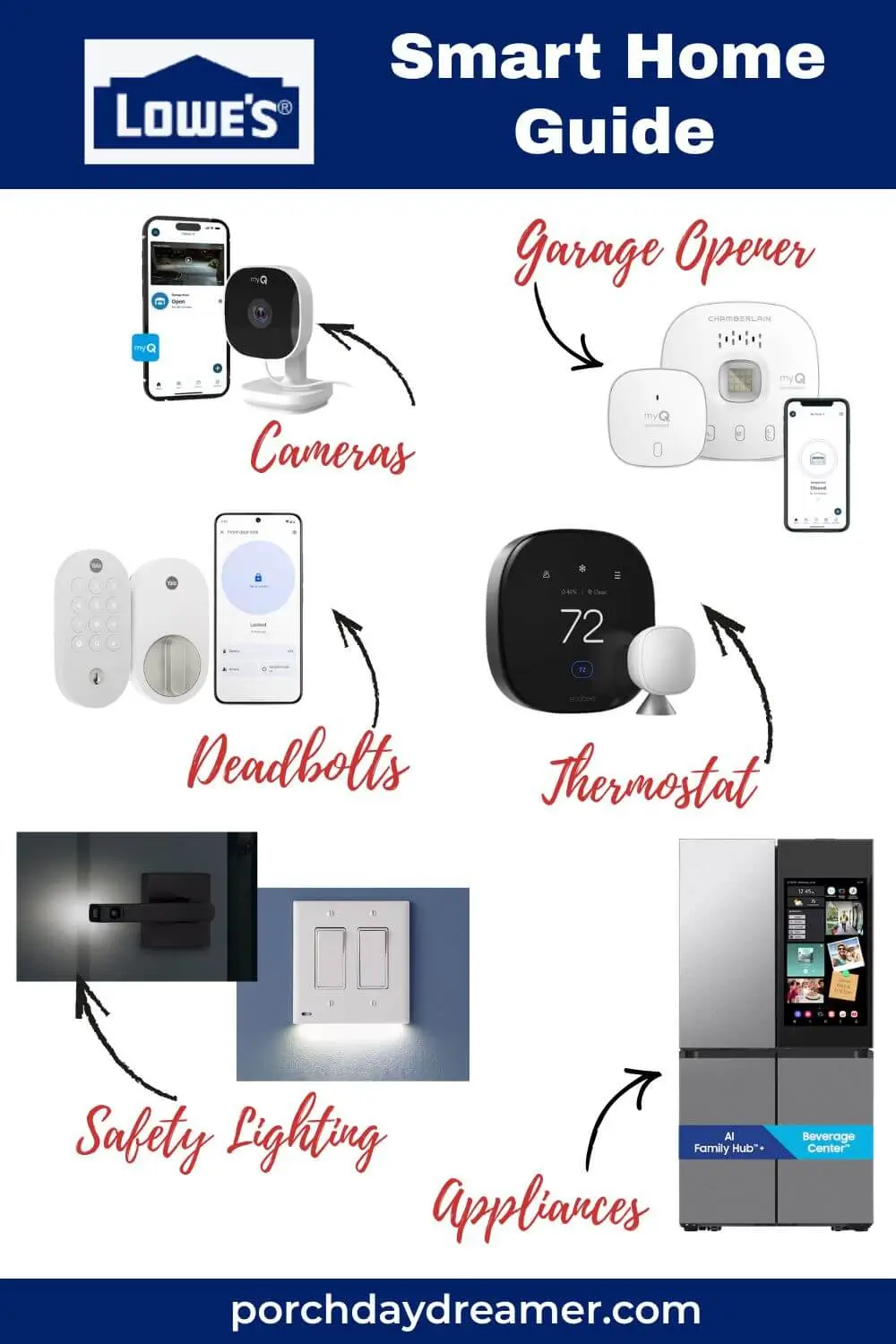

You’ll be surprised how easy it is to make your garage door opener smart too! Most systems can easily be upgraded. First check to see if you have hardwired sensors at the bottom of the door.
Invest in a universal garage door opener that is MyQ compatible and a garage camera. They are both easy to install. The garage camera is magnetic, so NO drilling required.
Or you can install a garage keypad with a security camera to verify who is entering your garage, before allowing access.
Set your safety foundation first. Decor can wait.
2. Confirm all utilities are in your name and functioning
This sounds obvious, yet it’s one of the biggest sources of move-in headaches. Double-check that everything has successfully transferred:
- Power
- Water
- Gas
- Trash and recycling
- Sewer
- Internet
- Irrigation systems
- Security system monitoring
Then test them. Walk the entire house with your smartphone and check your Wi-Fi strength. If you have weak spots, this is the perfect time to set up a smart home foundation. Lowe’s has amazing options like:
- Smart thermostats
- Smart plugs
- Smart switches
- Video doorbells
- Outdoor cameras
- Smart appliances
- Smart garage opener
Smart plugs are PERFECT when you realize a switch doesn’t turn on a light across the room. Plus you can easily program them to turn on and off as needed.
I love how you can sync them with a service like Alexa and voice control turning on or off the lights. Perfect at bedtime! There are outdoor smart plugs too, which are perfect for holiday or exterior lights. No having to go out in your PJs to unplug Christmas lights!
When you set up your smart home early, your house becomes easier to maintain as you go.
3. Find and label every shut-off in the house
This is the “I hope I never need it” task… until you do. Spend 10 minutes locating:
- The main water shut-off
- The water heater shut-off
- Gas shut-off
- Electrical panel breakers
- Irrigation controls
- Outdoor spigots
Label everything using painter’s tape and a Sharpie. Because when something leaks at 11pm, you want muscle memory not a scavenger hunt.
If you move in during cold weather months, invest in and install spigot covers, water heater blanket, and pipe insulation too.
4. Create a home binder or digital “house file”
I personally keep everything in Google Drive and back it up. It takes less than an hour and keeps your entire home-life organized.
If you’re building a smart home, this is also where you store access codes, automation settings, and notes on routines.
Your “house file” can be physical or digital, but it should contain:
- Paint colors (you know I need this!)
- Floorplans
- Manuals
- Receipts
- Filter sizes
- Contractor contacts
- Appliance info
- Warranty documents
- Home inspection report
5. Replace Every Smoke Detector Battery
Don’t skip this step! Every home inspector in America will tell you a smoke detector is “working” if it chirps when pressed. That doesn’t mean it’s safe or the batteries are fresh.
You may want to go one step further and replace ALL of the smoke detectors and CO2 sensors. Save money and buy in bulk. For under $200, they all can be replaced. Plus it will save you from a 2am chirp the first week you’re in the house and already exhausted from the move.
6. Deep clean before you unpack anything
This is the single most underrated move-in strategy. Once you unpack your boxes, the chance to deep-clean your home is gone. Before a single carton gets opened, take a few hours (or a full day) to clean:
- Inside cabinets
- Shelves + closets
- Vent covers
- Baseboards
- Floors
- Lighting fixtures
- Bathroom tile
- Change HVAC filters
You definitely want to change out the HVAC filters right away (maybe after the movers leave).
It’s a great time to line the drawers and cabinets to KEEP them clean. Plus think about adding drawer organizers or pull-out cabinet organizers, before you unpack.
To make bathroom cleaning easier, grab a Rubbermaid Power Scrubber for those stubborn grout and caulk lines.
Grab totes and closet organization too. When there is a place for everything and everything has a place, it makes it much easier to stay organized. I love the type of closet organization that is adjustable.
6. Document every appliance and major system (future you will thank you)
This is one of those boring chores that saves frustration later. Take photos of:
- HVAC units + filters
- Water heater
- Breaker panels
- Model + serial numbers
Warranty info - Fridge filters
- Light bulb types
- Window manufacturer labels
- Irrigation controller settings
Then store everything in a digital folder or notes app. Trust me this pays off when something breaks, needs a part, or requires service.
8. Set up your personal maintenance calendar
Homes need ongoing care, and it’s best to automate it. Find out from the previous owner (if you can), who they used for their ongoing maintenance. Get them scheduled, so service isn’t interrupted.
Add reminders to your phone for:
- HVAC filter changes
- Gutter cleaning
- Pest control
- Dryer vent cleaning
- Irrigation adjustments
- Water softener salt
- Hot water heater flushing
- Smoke/CO detector testing
- Lawn over-seeding and fertilizing
Little tasks done regularly prevent big repairs later.If you’re using a smart thermostat, it’ll even remind you when a filter needs changing.
9. Change your address everywhere
This is tedious but necessary. Make sure to set up mail forwarding, so you don’t miss any important mail before you have a change to update your address everywhere.
Think about all of the places that require your address:
- Banks + credit cards
- Insurance
- Online retailers
- Subscriptions
- DMV
- Voter registration
- Employer
- Your vet
- Doctors
- Friends + family
10. Tackle small repairs before you decorate
This is the newest tip on my list and the one people skip the most. Before you hang art, mount TVs, or place furniture, take a couple of days to fix all the little things:
- Patch old holes
- Tighten doors
- Adjust cabinet hinges
- Replace broken trim
- Add felt pads under furniture feet
- Install cabinet and door hardware
- Update lighting
- Touch up paint
Small repairs are easiest in the first few days, before furniture blocks your way – especially ceiling fixtures and outlets. Change out ceiling fans and update ceiling light fixtures.
You’ll want a good step ladder for this. I recommend this compact ladder that will give you a safe 10 ft reach.
Think about adding motion sensor lighting to cabinets or closets. Do this before unpacking to make the task much easier!
There are even snap-on motion sensor lights that you can easily add to replace your existing outlet covers. Great so you don’t stub your toes on the way to the bathroom in the dark.
Bonus: Review your home inspection report (the “quiet problems” live here)
Now that you’re in the home, go back to the inspection and find all the “monitor” items the ones that weren’t urgent but still matter. This is the perfect moment to handle quick fixes like:
- Loose trim
- Leaky faucets
- Slow drains
- Minor electrical issues
- Weatherstripping gaps
The Foundation Come First and Decor Last
You’ll be tempted to decorate immediately ( I always am) but handling these essential tasks first will make your home run smoothly for years. Once you change the locks, set up your smart home, fix small issues, and get your maintenance systems in place, decorating becomes SO much easier.
Get the foundation right… then make it beautiful.

Let me help you (for free)
- In 5 minutes, you’ll know how to avoid 4 common mistakes
- It’s not just about the color (I’ll show you why)
- How-to test paint colors the right way